
Home insurance subsidence claim specialists
If cracking or movement suggests potential subsidence, RSL Claims can assist with the investigation and represent your interest throughout the claim as an independent loss assessor.
Regulation
Experience
20+ years · Founded 2003
Response
24/7 support · On site within 24h
Full claim scope
What may form part of your subsidence claim
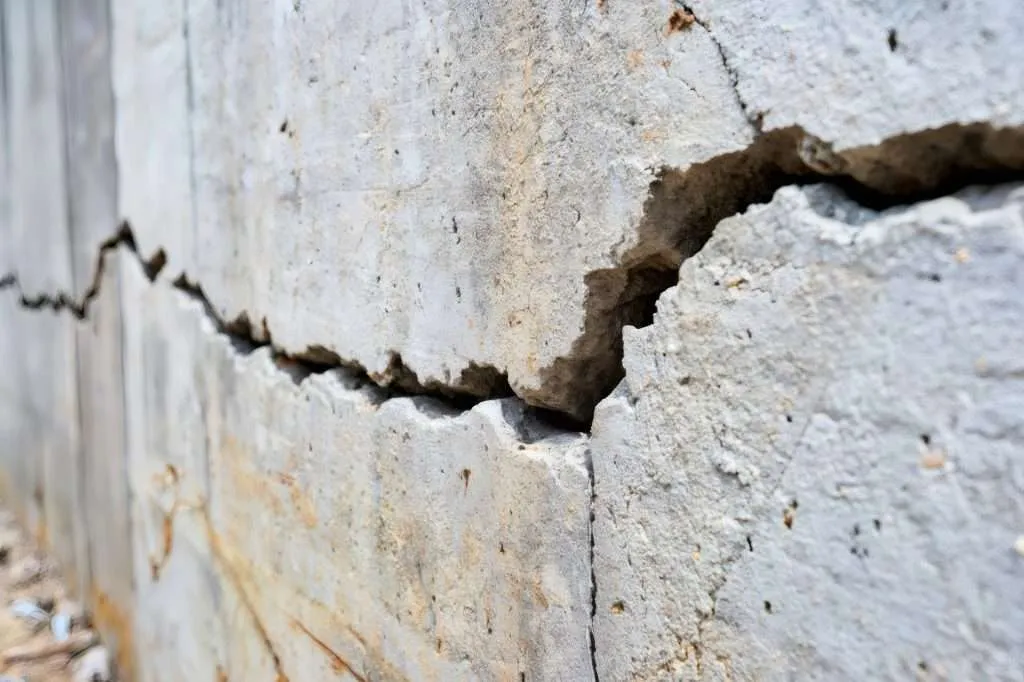
The process
How we manage your subsidence insurance claim
Managing subsidence claims can involve several stages. Our service provides advice and support throughout the claims process and helps keep the technical and financial parts of the claim clear.
1
Review the property and policy
The initial consultation covers the damage you have noticed, when it appeared and the relevant policy terms. We explain the claim process and what may happen next.
2
Identify further investigations
We consider what further assessment is needed and whether the insurer should appoint engineers, drainage specialists or other professionals.
3
Build the evidence
We review reports, photographs and measurements and gather the necessary documentation to support your claim.
4
Present and negotiate
We prepare and submit the claim information and negotiate with the insurance company on your behalf where the evidence or proposed repair scope needs further discussion.
5
Progress repairs and settlement
If the claim is approved, we review the repair plan and payments and help resolve outstanding points before the insurer looks to settle.
Noticed signs of subsidence at your property?
If you suspect subsidence, our expert loss assessor can review the position and explain the next steps before repair proposals or settlement terms are agreed.
Recent settlements
+30–50% above insurer’s first offer
Range achieved across recent claim settlements. We treat each claim on its own merits – and never settle for the first number on the table.

Founder · Chartered Loss Adjuster
Talk to the founder
Subsidence needs evidence before permanent repairs.
For each client, the right approach starts with understanding what is moving and why. That evidence helps determine if the proposed repairs address the cause, as well as the visible damage.
Rob Spence – Managing Director, Chartered Loss Adjuster.
Frequently asked questions
Common questions about subsidence insurance claims
What are the main signs of subsidence?
Signs of subsidence include diagonal cracking, cracks around openings, sticking doors or windows and changes in floor levels. Structural stress can have other causes, so further investigation may be needed.
What does subsidence mean?
Subsidence occurs when the ground beneath a building moves downwards and affects its support. Subsidence is usually gradual, although the rate and severity can vary.
Does home insurance cover subsidence?
Home insurance can cover subsidence under many buildings insurance policies, subject to the policy wording, exclusions and any separate subsidence excess.
What can cause subsidence?
Subsidence can be caused by clay shrinkage, vegetation, damaged drainage and other changes in ground conditions. The cause needs to be understood before a repair solution is agreed.
How do insurers investigate subsidence issues?
Insurers may investigate subsidence issues using structural inspections, crack monitoring, drainage surveys or ground investigations, depending on the circumstances and level of damage.
Does subsidence always require underpinning?
Subsidence does not always require underpinning. The repair method depends on the cause of movement, the condition of the property and whether it has stabilised.
Should I repair cracks before making a subsidence claim?
Cracks should usually not be permanently repaired before the cause of suspected subsidence has been established. Early repairs can make movement harder to assess and may need to be repeated.
What if I disagree with my insurer’s decision?
If you disagree with your insurer’s decision on a subsidence claim, RSL Claims can review the evidence and help challenge the position where appropriate. If the complaint cannot be resolved directly, you may also be able to refer it to the Financial Ombudsman Service.
Do you handle subsidence claims for homeowners in my area?
RSL Claims handles subsidence claims for homeowners across the North West of England and North Wales, including Liverpool, Wirral, Manchester, Warrington, Chester and Wrexham.
Get in touch
Free, no-obligation consultation on your subsidence claim.
Tell us briefly what happened and we’ll come back to you as soon as possible. If we can help, our FCA-regulated loss assessor will tell you honestly. If we can’t, we’ll point you in the right direction. We cover the North West of England and North Wales – and travel further than 100 miles when a claim warrants it.
Water
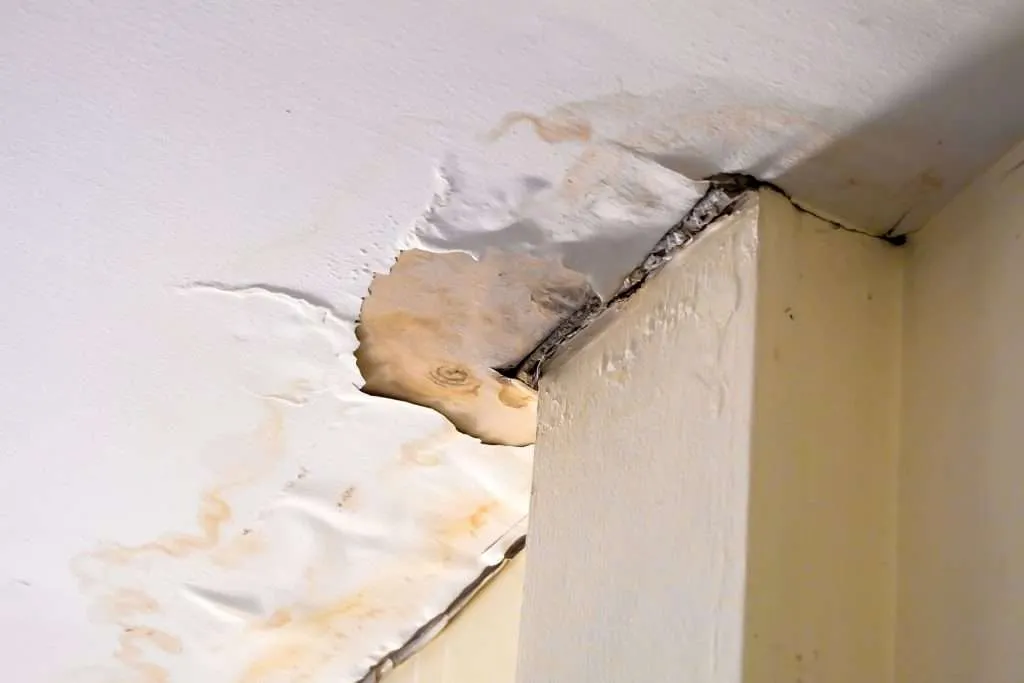
Burst pipes & water damage
We help identify the source of damage, coordinate drying and repairs and present the full claim to your insurer.
Fire
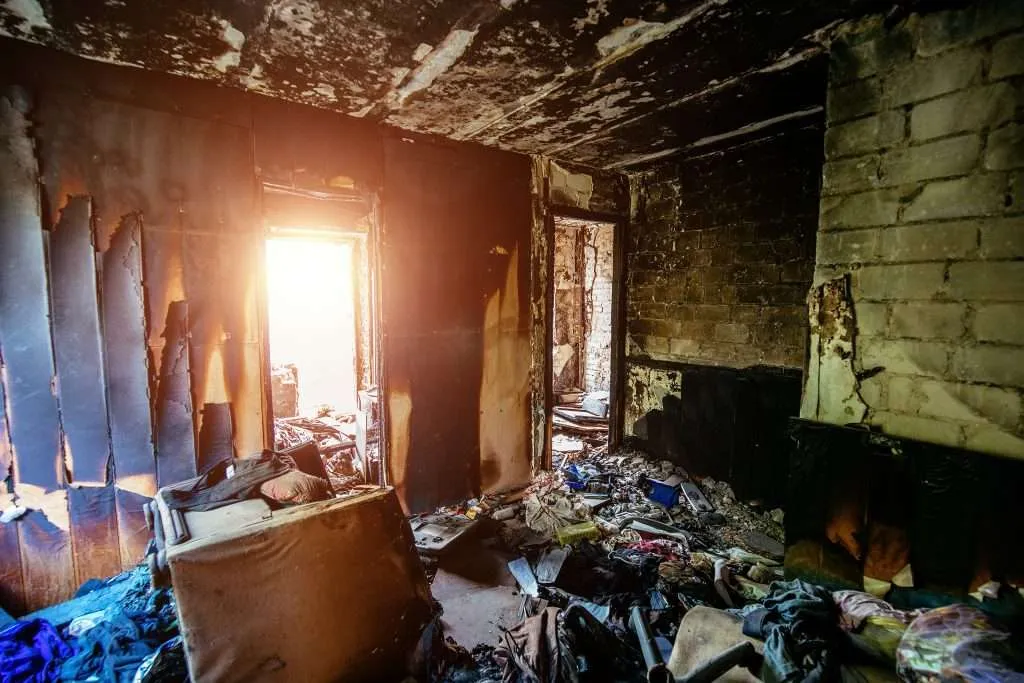
Fire damage
From kitchen fires to major property losses, we manage the assessment, repairs and negotiations on your behalf, working to help you receive a fair settlement.
Impact
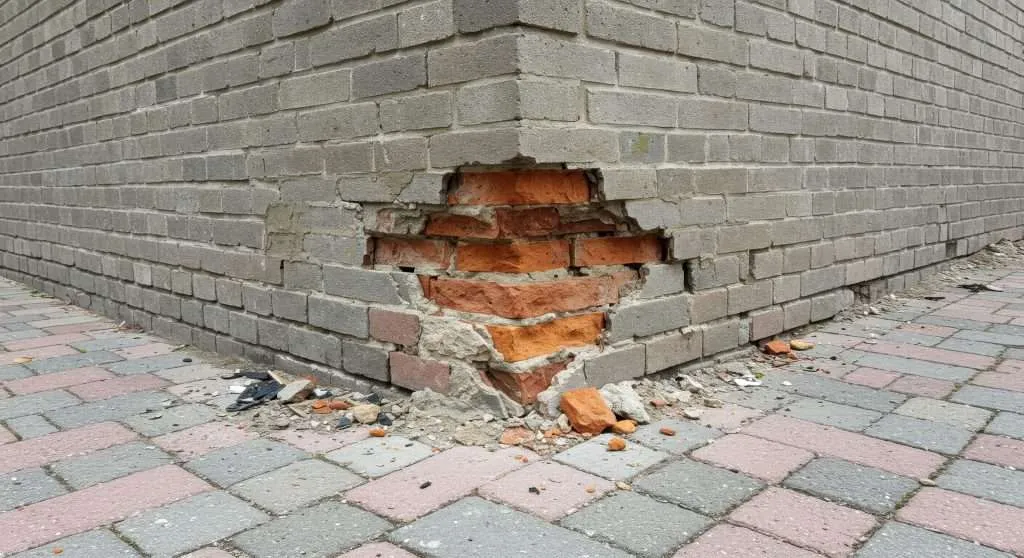
Impact damage
Damage caused by vehicles, falling objects or structural impact is assessed and managed from start to finish.